Foraging Sloes, Haws and Rosehips: An Autumn Hedgerow Walk
October 10, 2026 - Outdoors


October 10, 2026 - Outdoors

October 09, 2026 - Outdoors
October 05, 2026 - Crafts

October 04, 2026 - Crafts

Every January I promise myself I will remember which tomato went in when, and every May I stand at the bench squinting at a tray of identical seedlings with no idea what is what. The fix is not a fancy planner or an app. It is a notebook with a few ruled lines, kept beside the pots, used for five minutes at a time. Get the layout right and the writing takes seconds — and the notes pay you back the following spring.
A seed packet tells you roughly what should happen. Your own notes tell you what actually happened on your windowsill, in your soil, in your particular cold spring. That difference is where good planning comes from. If parsnips took twenty-four days to show last year, you will not panic on day ten this year, and you will not re-sow a packet's worth of seed you did not need to waste. If your courgettes sulked in a cold frame until mid-June, next year you sow them a fortnight later and save yourself a row of yellowing plants.
The second benefit is quieter but just as useful: a log stops you repeating the same mistake three years running. Most of us have one. Mine was sowing too early in a warm kitchen and ending up with leggy tomatoes that never quite recovered.
Do not try to record everything. Six pieces of information will carry you through the season, and anything else is a bonus. Aim to note:
Add a short notes column for anything that surprised you: compost drying out, damping off in a tray that stayed too wet, slugs finding the young chard within a night.
The simplest layout is a ruled page turned landscape, with headings across the top and one line per sowing. It suits anyone who sows a bit at a time and wants to write as they work.
Across the top, rule these columns: Sown, Variety, Where, Seeds, Up, Pricked out, Planted out, Notes. A completed line might read: 12 March, Tomato 'Gardener's Delight', kitchen windowsill over a radiator, 12, 18 March (9 up), 30 March, 20 May in the greenhouse, "leggy — sowed too early, try late March next year".
Because each sowing is one row, it is easy to scan down the Sown column and see the shape of your spring at a glance. It is also easy to add a row for a second sowing of the same variety, which is exactly what you want for salad leaves, radish and coriander.
When you sow several varieties into one tray, or several rows into one bed, a line per sowing stops working. Draw the container instead. Sketch a rectangle for the tray, divide it into however many cells or rows it has, and write the variety into each space. Beneath the drawing, list the shared details: date sown, compost used, position, date of first germination.
The same idea works outdoors. Draw your raised bed as a rectangle, divide it into the rows you actually sowed, and label them. A small numbered key underneath — 1. carrot 'Nantes', 2. beetroot 'Boltardy', 3. spring onion — saves you writing the full name into a narrow space. Take a photo of the finished page if you want a backup, but the paper version is the one you will actually use at the bed.
Grids are brilliant for this. If you sow a short row of salad every three weeks, the grid shows the gaps and the dates together, and you can see instantly whether you left a fortnight empty in July.
Use two facing pages for each month, or a single page if you sow lightly. On the left page, list what you sowed and the dates. On the right page, list what needs doing: pricking out, potting on, hardening off, planting out, and the dates you did them. Keep a running tally of the week number or the date at the top of each entry.
This layout is the best one for transplant timings, because the whole month sits in front of you. You can see that the leeks pricked out on 4 April were planted out on 2 June, and that the gap between the two was longer than you remembered. Over a couple of years, those gaps turn into a personal timetable — one that reflects your soil, your shelter and your local climate far better than any generic chart.
Germination rate is easy to work out and genuinely useful. Divide the number of seedlings that appeared by the number of seeds you sowed, then multiply by 100. Sow twelve, get nine, and your rate is 75 per cent. Write that in the notes column.
Two things follow. First, if a rate is low, consider whether the seed was old, the compost was too wet, or the temperature was wrong — then next year sow thicker, or buy fresh seed for that variety. Second, a low rate is not always bad news. Some seed, parsnip and parsley especially, is slow and uneven, and a modest rate is simply normal. What matters is knowing your own average, so you can spot the year when something genuinely went wrong.
Write the date, not the intention. "Sowed 12 March" is a fact; "sow in March" is a wish.
Pick the layout that matches how you sow. If you raise a few trays on a windowsill, use the single-line row. If you fill a propagator, use the grid. If your season runs long and busy, use the month spread. Rule the headings now, while the seed packets are still in the box, and leave the notebook on the potting bench with a pencil tucked into the spine.
Then write the first line the next time you sow something. One row, one date, one count. By autumn you will have a season's worth of your own evidence, and next winter's seed order will be a great deal easier to write.
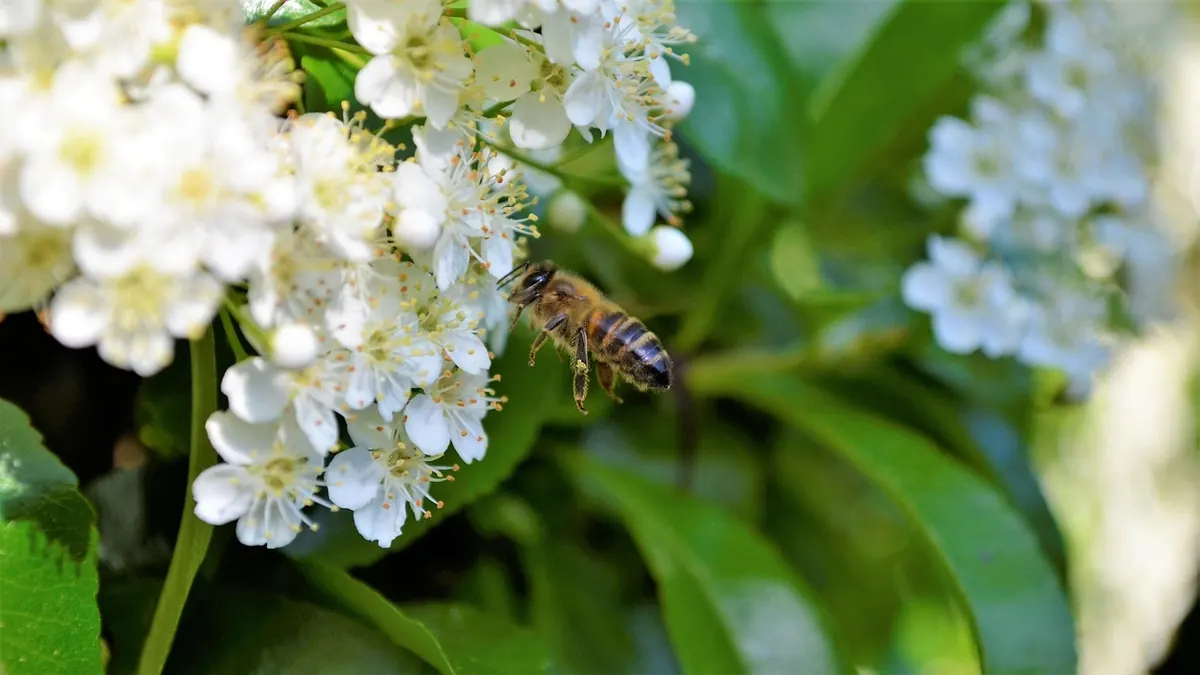
Photo: Nennieinszweidrei / Pixabay
A seasonal guide to spotting sloes, haws and rosehips in British hedgerows, picking them without stripping the bush,...
A beginner's tickable guide to the most common UK garden birds, pairing each one's markings with its call and the...
October 10, 2026 - Outdoors
October 09, 2026 - Outdoors
October 05, 2026 - Crafts
Copyright © 2026 Sprig Page. All Right Reserved.