Foraging Sloes, Haws and Rosehips: An Autumn Hedgerow Walk
October 10, 2026 - Outdoors

October 10, 2026 - Outdoors
October 09, 2026 - Outdoors
October 05, 2026 - Crafts

October 04, 2026 - Crafts

A garden journal sounds like the sort of thing you begin in January with a crisp new notebook and abandon by March. The problem is rarely discipline. It is that most advice on the subject asks for more than someone with a full plot and a full week can give. What follows is a routine that takes about five minutes a week, needs nothing fancier than a notebook, and still leaves you with something genuinely useful when the seed catalogues land next winter.
Two things kill them. The first is ambition. A journal designed to hold weather records, planting plans, sketches, seed costs and a job list becomes a chore by week three, and chores get skipped. The second is the blank page. Sit down with no idea what to write and you will write nothing.
So lower the bar until failing is difficult. One page a week. Four short lines. No sketches required, no pressed flowers, no washi tape. A scruffy journal you keep for three years is worth far more than a beautiful one you abandon in February.
Pick a fixed moment and keep to it. Sunday evening with a cup of tea suits a lot of gardeners; so does Friday afternoon, when you are already packing up outside. What matters is that it happens at the same time each week, with the notebook in reach. Then write four lines:
Here is a full week's entry. Four lines, a date, and you are done.
14 April — mild, dry, cold east wind. Sowed 'Nantes' carrots and two rows of beetroot in the raised bed by the wall. Slugs have taken most of the lettuce seedlings; beer traps out again. Broad beans sown in October are well ahead of last year's spring sowing. Note for next year: label the rows properly.
If "what worked" still feels like an exam question, answer something else instead. Pick one prompt a week. You do not need all of them, and you certainly do not need to answer them well.
Three or four words is a complete answer. "Slugs winning" is a perfectly good entry. So is "everything's late this year". The value is in the pattern across months, not in the elegance of any single line.
Keep the notebook wherever you already loiter: the shed shelf, the greenhouse, the kitchen drawer by the back door. Tie a pencil to it so there is never an excuse. Write the date at the top of every entry — undated notes are close to useless twelve months on. Resist the urge to backfill. Missed a fortnight? Start again from today rather than reconstructing it from memory.
If you would rather type than write, a notes app on your phone does the same job; just keep one document per year and add to the top. Photographs help too, and they need no effort at all. Take one picture a week from the same spot — the end of the path, say, looking back at the beds — and you will have a time-lapse of the whole season by autumn. Sort them into an album for the year, side by side with the notes.
In a wet week in January, read back through the year in one sitting. Then, on a single page, write two short lists: three things to repeat and three things to drop. That page is the one you will actually use when the catalogues arrive, and it is the whole reason five minutes a week pays off. Most gardeners find the "drop" list writes itself — the third year of trying to grow carrots in heavy clay, the variety that never ripens before the frost.
Find a notebook. Any notebook, half-used or otherwise. Write today's date, one line about the weather and one about what you did out there. Put it back where you garden, not on a shelf in the house.
Then set a reminder for the same day next week. Four lines is all it takes, and by this time next year you will have fifty-odd entries telling you exactly what your garden did, when it did it, and what you would do differently. That is a far better guide than memory — which, by March, will have rewritten the whole season into something suspiciously flattering.
Photo: Pexels / Pixabay
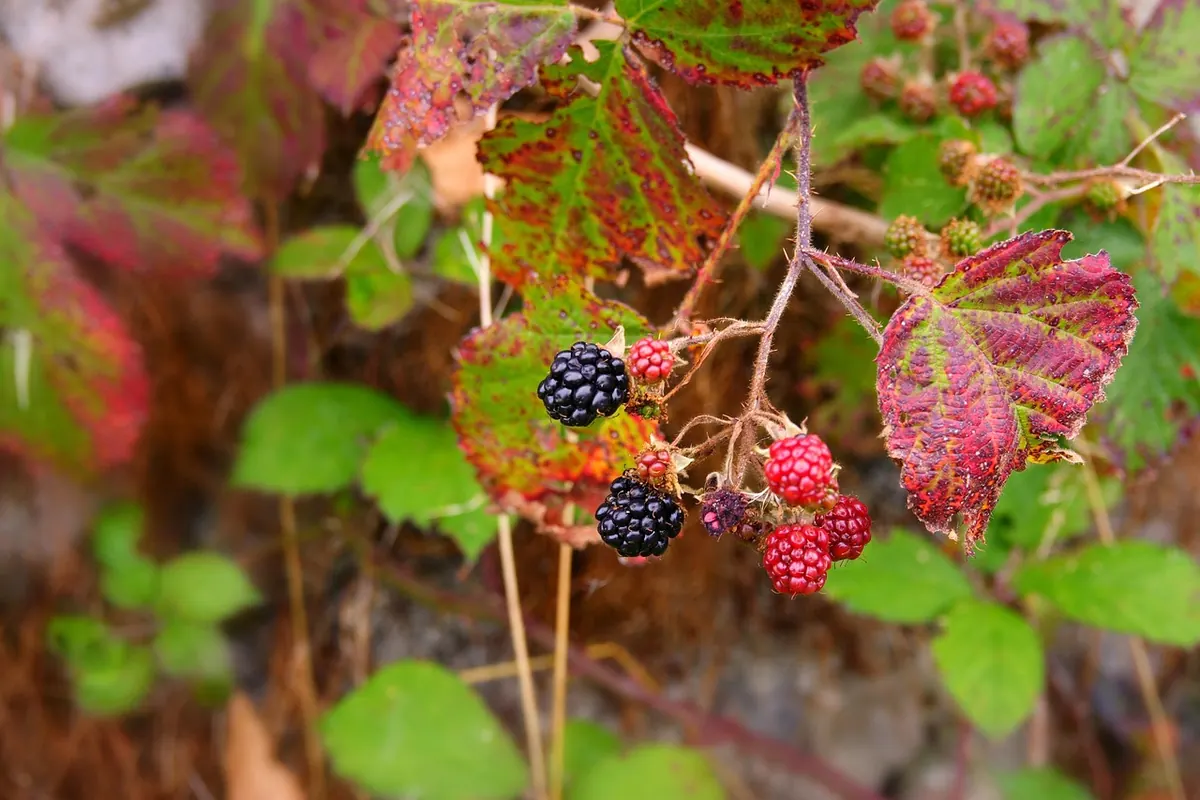
A seasonal guide to spotting sloes, haws and rosehips in British hedgerows, picking them without stripping the bush,...
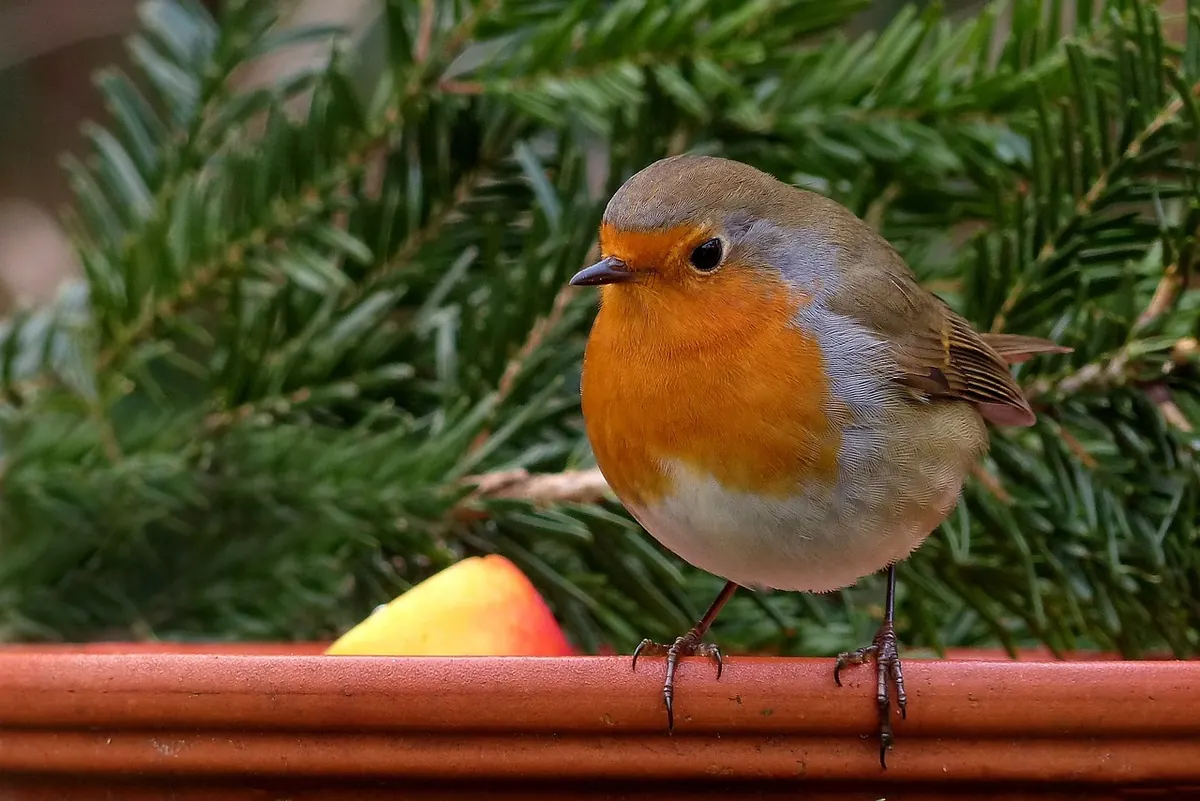
A beginner's tickable guide to the most common UK garden birds, pairing each one's markings with its call and the...
October 10, 2026 - Outdoors
October 09, 2026 - Outdoors
October 05, 2026 - Crafts
Copyright © 2026 Sprig Page. All Right Reserved.