Foraging Sloes, Haws and Rosehips: An Autumn Hedgerow Walk
October 10, 2026 - Outdoors

October 10, 2026 - Outdoors
October 09, 2026 - Outdoors
October 05, 2026 - Crafts

October 04, 2026 - Crafts
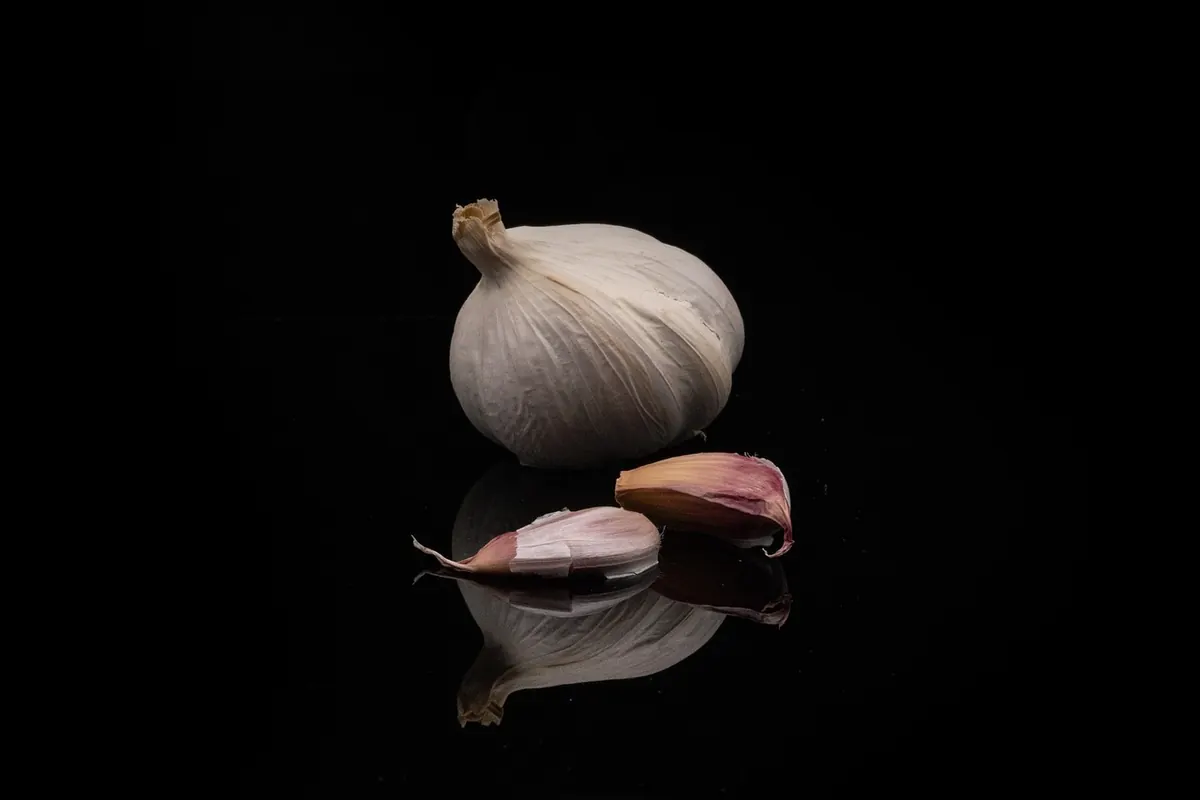
Garlic is one of the few crops that rewards you for planting it just as the growing season seems to be winding down. Put cloves in the ground this month and they will quietly root, sit out the worst of the weather, then surge away in spring. Leave it until February and you will still get a crop, but the bulbs will be smaller and the plants more prone to bolting in a dry spell.
September suits most of the UK well. The soil is still warm from summer, so roots establish quickly, but the air is cooling and there is usually enough rain to keep things ticking over without any fuss. Here is how to give your garlic the best possible start.
Garlic needs a period of cold to bulb up properly. Without it, cloves often fail to divide and you end up with a single round bulb, sometimes called a roundel. A British winter supplies that chill naturally, which is exactly why autumn planting beats spring planting for size and flavour.
Aim to have cloves in the ground between mid-September and the end of October in most areas. In the far north or on exposed, wet sites, late September is a sensible target: early enough to root, late enough that top growth does not get flattened by an early gale.
Garlic divides broadly into two types, and the difference matters.
Buy seed garlic from a reputable supplier rather than planting cloves from the supermarket shelf. Supermarket bulbs are often grown in warmer climates, may have been treated to stop them sprouting, and can carry disease into your soil. Certified stock costs a little more and is worth every penny. Elephant garlic is a different plant altogether — a leek relative with a mild flavour — and is planted the same way.
Garlic hates sitting in water. Choose the sunniest spot you have and work in plenty of well-rotted garden compost a few weeks before planting. Fresh manure is best avoided: it can burn young roots and encourage rot over winter.
On heavy clay, plant into a raised bed or a ridge of soil to lift the cloves above the water table. On light sand, dig in extra organic matter so the soil holds moisture through spring. A slightly alkaline soil suits garlic, so if your ground is acidic and you have wood ash or garden lime to hand, apply it a few weeks ahead rather than at planting time.
Do not plant garlic where onions, leeks, shallots or garlic have grown in the past three years. Onion white rot persists in soil for years and there is no cure once it takes hold.
Break the bulbs into individual cloves an hour or so before planting. Keep the papery skin on, and choose the plump outer cloves for the bed — the small ones inside are fine for the kitchen.
Once planted, spread a 5cm layer of garden compost or straw over the bed. It suppresses weeds, keeps the soil temperature steady and stops heavy rain from battering the surface into a cap. Cold is rarely the problem in a UK winter; wet feet are.
In very exposed or very wet gardens, a cloche or a sheet of fleece over the row will help, but it is not usually necessary for hardneck types, which are the toughest of the lot. Check the bed after storms and firm back any cloves that have been lifted by frost heave. Slugs will graze young leaves in mild spells, so keep an eye out on damp evenings.
Pull the mulch back in March so the soil can warm, and keep the bed weed-free — garlic does not compete well. Water in dry spells from May onwards, as this is when bulbs swell. Stop watering two or three weeks before you plan to lift them. An overly rich nitrogen feed does more harm than good, giving you leafy plants and small bulbs; a light general feed in early spring is plenty if growth looks pale.
Snap off the curled flower stems on hardneck varieties as soon as they appear in June. The bulbs fatten up noticeably without them, and the scapes are excellent chopped into a pan. Orange spots on the leaves are rust, a wet-weather fungal problem: remove affected foliage and do not compost it.
Lift garlic in June or July, when the lower leaves yellow and the tops begin to flop. Loosen the soil with a fork first rather than yanking the stems. Dry the bulbs somewhere airy, out of direct sun, for two or three weeks, then brush off the soil and keep the skins intact. Store in a cool, dark, dry place as plaits or in net bags, and keep the best bulbs back for planting this September.
Get the planting right this month and the rest is mostly patience. A row of garlic in September is one of the cheapest, most reliable bets in the vegetable garden — and by next July you will have bulbs that put the supermarket shelves to shame.
Photo: MaxWdhs / Pixabay
A seasonal guide to spotting sloes, haws and rosehips in British hedgerows, picking them without stripping the bush,...
A beginner's tickable guide to the most common UK garden birds, pairing each one's markings with its call and the...
October 10, 2026 - Outdoors
October 09, 2026 - Outdoors
October 05, 2026 - Crafts
Copyright © 2026 Sprig Page. All Right Reserved.