Foraging Sloes, Haws and Rosehips: An Autumn Hedgerow Walk
October 10, 2026 - Outdoors

October 10, 2026 - Outdoors
October 09, 2026 - Outdoors
October 05, 2026 - Crafts

October 04, 2026 - Crafts
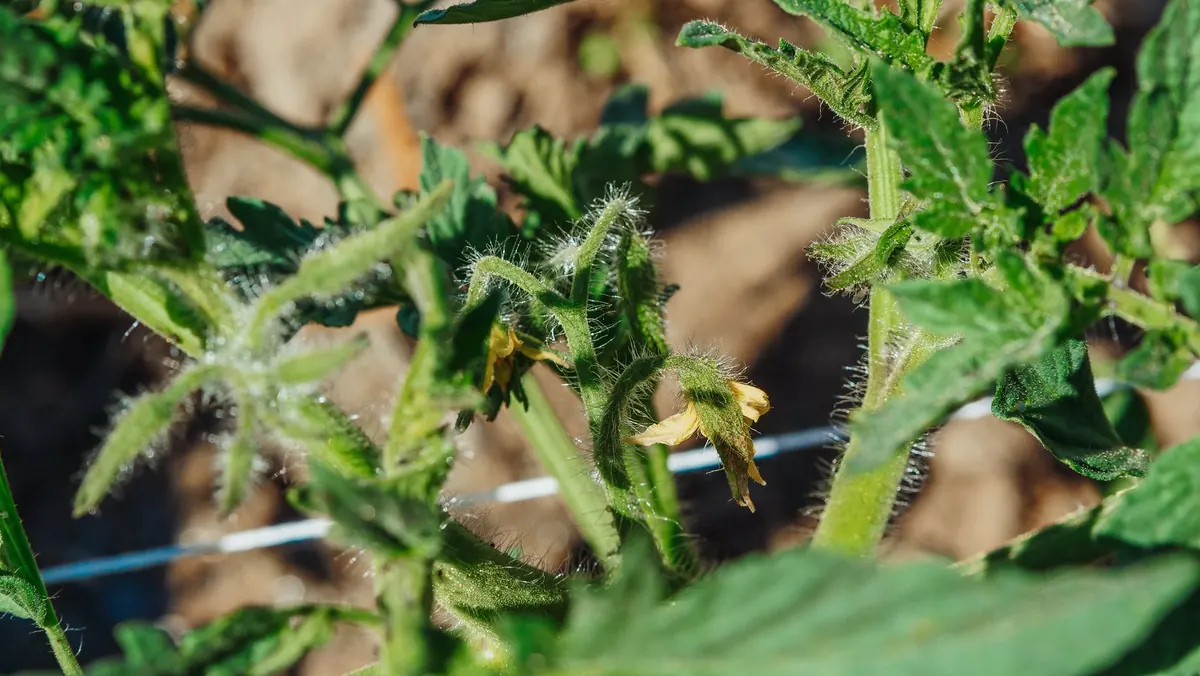
Tomato leaves turn yellow for a reason. Sometimes it is something you did last week; sometimes it is the weather, a pest, or a nutrient that has run out. The colour and position of the yellowing tell you most of what you need to know. Old leaves going pale usually points to hunger or waterlogged roots. New leaves yellowing can mean something else entirely. Before you reach for a feed, read the plant.
This is the most common cause in containers. Tomato roots need air. When compost stays wet, roots suffocate, and the lowest leaves turn yellow and limp. You may see green algae on the surface, fungus gnats, or a sour smell. The plant might wilt at midday even though the soil is soaked.
Fix: let the top two or three centimetres dry out before watering again. Check drainage holes. If a saucer holds water, empty it. Raise pots on feet. Water deeply but less often — a good soak every few days is better than a daily splash. In beds, fork in compost and avoid walking on wet soil. If a plant is badly waterlogged, repot into fresh compost mixed with perlite and trim the yellow leaves.
Magnesium shortage shows up on older leaves first. The veins stay green while the tissue between them turns yellow, often from the edges inward. Later, the yellow patches may turn brown and crisp. It is common in sandy soils, in pots, and after heavy potassium feeding — tomatoes use a lot of magnesium when fruiting.
Fix: dissolve Epsom salts in water according to the packet. A common garden dilution is one tablespoon per 4.5 litres, used as a foliar spray or soil drench. Do this every couple of weeks until new growth looks healthy. Do not overdo it. A balanced tomato feed with added magnesium is a gentler long-term fix. Adding compost or well-rotted manure also helps hold nutrients.
Nitrogen is a mobile nutrient, so the plant moves it from old leaves to new growth. That leaves the lower leaves uniformly pale yellow, while the top stays greener. The whole plant may look tired, with small leaves and thin stems. Container tomatoes are especially prone because every watering leaches a little food away.
Fix: give a liquid tomato feed at the strength on the bottle. If you garden organically, comfrey or nettle tea works well. Fish emulsion or liquid seaweed gives a quick boost. Feed little and often rather than one strong dose. Too much nitrogen gives you a huge leafy plant with few tomatoes, so stop when the colour returns.
Blight is the one to take seriously. Early blight starts on lower leaves as brown spots with concentric rings, often with a yellow halo. Late blight appears as greasy grey-green patches that turn brown; in damp weather you may see a fuzzy white mould on the underside. Both spread fast in cool, wet conditions.
Fix: remove affected leaves at once and put them in the bin, not the compost. Improve airflow by staking and pruning lower leaves. Water at the base, never over the foliage. If late blight takes hold, remove the whole plant to protect neighbours. Copper-based sprays can help preventatively if applied before symptoms appear, but check the label and local rules. Next year, choose blight-resistant varieties.
Sap-sucking pests drain a plant and leave yellow stippling, curled leaves and sticky honeydew. Aphids cluster on new growth. Whitefly clouds up when you brush the plant. Red spider mites are tiny and thrive in hot, dry conditions; you may see fine webbing and a mottled, bronzed look.
Fix: inspect the undersides of leaves. Blast small colonies with a firm jet of water. Treat with insecticidal soap or neem oil, following the label. Encourage ladybirds and lacewings. For spider mites, raise humidity by misting and grouping plants, and remove badly infested leaves. Isolate affected pots so the problem does not spread.
Yellowing can start after planting out. Roots may have been torn, dried out, or cooked in a hot greenhouse. Cold soil also slows root growth, so leaves yellow while the plant waits for warmth. In pots, roots circling the edge can become compacted and unable to take up water.
Fix: water transplants in well and shade them for a few days. Harden off gradually. If roots are circling, tease them out gently before planting. Wait until the soil has warmed to about 10°C before planting outside. If you suspect root rot, check for brown, mushy roots and improve drainage.
A sudden move from a shady windowsill to full sun can scorch leaves, turning them yellow, white or papery. Heat stress makes leaves roll and yellow at the edges. Cold nights below about 10°C can turn leaves yellow with purple veins.
Fix: harden off over seven to ten days, starting with an hour of morning sun and building up. Use shade cloth or a light fleece during heatwaves. Keep watering consistent; mulch helps. Protect early and late crops with cloches or fleece. Move pots out of baking afternoon sun if the leaves are already scorched.
Yellow leaves will not turn green again. Once you have corrected the problem, new growth should be healthy. Remove the worst leaves to improve airflow, but do not strip the plant bare — it needs leaves to make energy. If you are unsure, work through this quick routine:
Fix the cause, not just the symptom. A plant that has been overwatered will not recover from a dose of tomato feed. A plant with blight will not recover from Epsom salts. Watch for a week after your fix. If new leaves come through green and strong, you have solved it.
Photo: Kindel Media / Pexels
A seasonal guide to spotting sloes, haws and rosehips in British hedgerows, picking them without stripping the bush,...
A beginner's tickable guide to the most common UK garden birds, pairing each one's markings with its call and the...
October 10, 2026 - Outdoors
October 09, 2026 - Outdoors
October 05, 2026 - Crafts
Copyright © 2026 Sprig Page. All Right Reserved.