Foraging Sloes, Haws and Rosehips: An Autumn Hedgerow Walk
October 10, 2026 - Outdoors

October 10, 2026 - Outdoors
October 09, 2026 - Outdoors
October 05, 2026 - Crafts

October 04, 2026 - Crafts
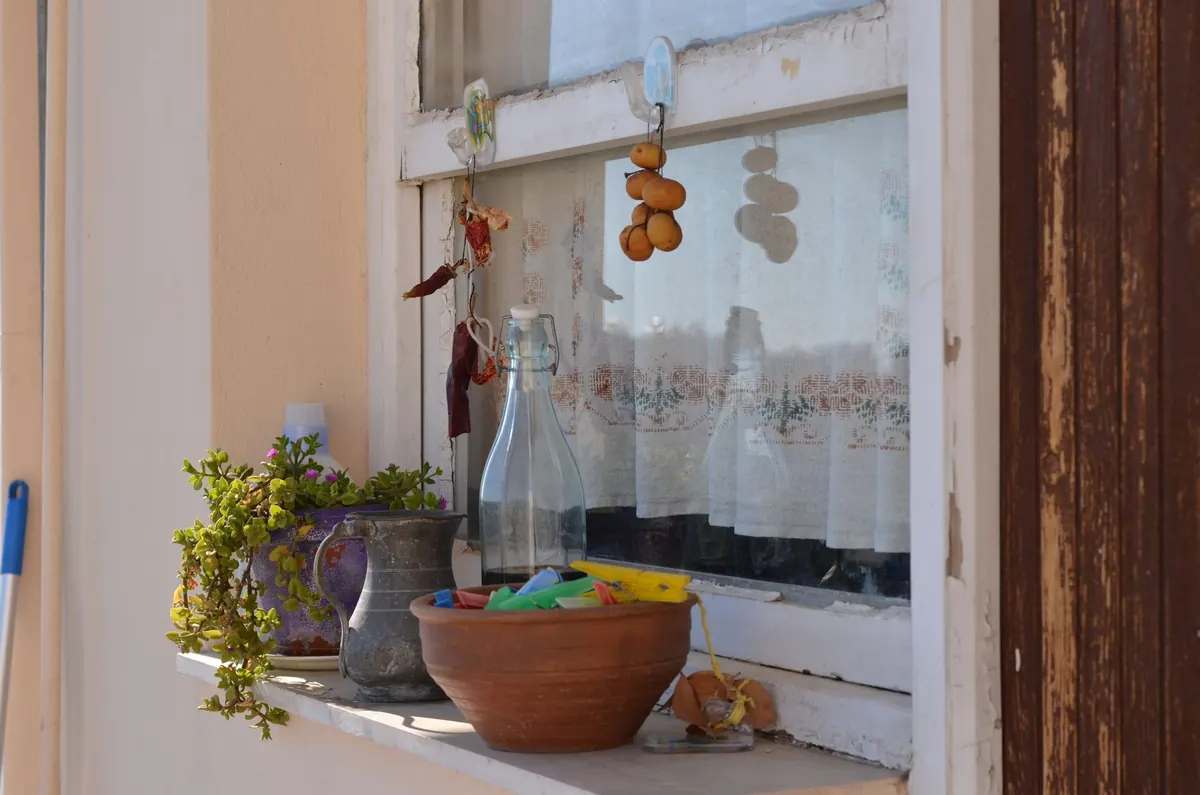
A north-facing windowsill has a reputation problem. It never gets direct sun, it feels cold in January, and most of the herb pots sold in garden centres were raised somewhere much brighter. Yet it is also the only bit of growing space many of us have indoors — and with the right plants and a little discipline, it will keep you in parsley, mint and chives right through to spring.
Light on a north-facing sill is diffuse, never direct. That suits leafy herbs that evolved on woodland floors or beside streams, and it rules out the sun-lovers most of us try first.
Before you plant anything, watch your sill over a full day. North-facing is rarely exact: you may catch a stripe of early sun in midsummer and none at all in December. The corners of a window are darker than the centre, and a sill shaded by a hedge or a wall is darker still. Clean the glass, too. A winter's grime and condensation can cost you a surprising amount of the light you do have.
Temperature matters as much as light. A sill above a radiator is warm and dry; one beside single-glazed glass is cold and draughty. Most herbs tolerate cool. Very few cope with hot, dry air and low light at once, which is why basil sulks in a heated kitchen in January and picks up again in March.
Stick to soft-leaved, shade-tolerant culinary herbs. These are the ones that earn their windowsill space:
Rosemary, thyme, sage, oregano, lavender and French tarragon all come from hot, bright, dry places. On a north-facing windowsill they stretch towards the glass, pale and thin-stemmed, and they rot easily in compost that stays damp for weeks. If you have a south-facing kitchen window, give them that instead. Otherwise grow them outdoors in a well-drained pot and keep the north sill for the leafy herbs above.
The stretching has a name — etiolation — and it is the clearest sign a plant is not getting enough light. Long gaps between leaves, weak stems, a plant that leans hard to one side: all of it means move it closer to the glass or accept that it belongs elsewhere.
In low light, plants use far less water. Compost that would dry out in three days on a sunny sill can stay wet for a fortnight, and that is how roots drown.
Terracotta pots and a handful of grit mixed through the compost help anything woody or drought-tolerant. Mint, parsley and chervil prefer to stay a little damper, so plastic pots suit them fine.
Feed only when plants are actively growing. From March to September, a balanced liquid feed at half the strength on the bottle, every two to three weeks, is plenty. Stop completely in midwinter; feeding a plant in low light produces weak, sappy growth that attracts pests.
Pot on when roots appear at the drainage holes, going up just one size — about two centimetres wider. A huge pot of wet compost around a small rootball is a recipe for rot.
Pinch out the growing tips regularly, taking the top pair of leaves just above a leaf joint. This is the single most useful thing you can do on a north sill: it turns one thin stem into a bushy plant, and it gives you something to cook with. Snip off coriander flower buds as soon as they appear to keep the leaves coming.
Light arrives from one direction only on a windowsill. Leave a pot alone and it will lean, the far side will yellow, and you will end up with a lopsided plant on a bare stem. Turn every pot a quarter turn every couple of days, and shuffle the pots along the sill so each one spends time near the glass. Short pots go at the front; anything tall is a shade-thrower for whatever sits behind it.
Lower your expectations and you will not be disappointed. From November to February, growth slows to almost nothing, and a few sprigs at a time is a realistic harvest.
A small LED grow light will help basil and other hungry plants in December, but it is optional. The herbs listed above will manage without one.
Mint, parsley and chives. Buy them as small plants rather than seed for your first winter, pot them into a decent peat-free compost, stand them on the brightest part of the sill, and check them with your finger before you reach for the watering can. Turn them every other day, pinch the tips, and feed nothing until spring. That is enough for a handful of herbs on a gloomy January evening — and next year you will know exactly which spot on that sill works best.
Photo: Julia Sakelli / Pexels
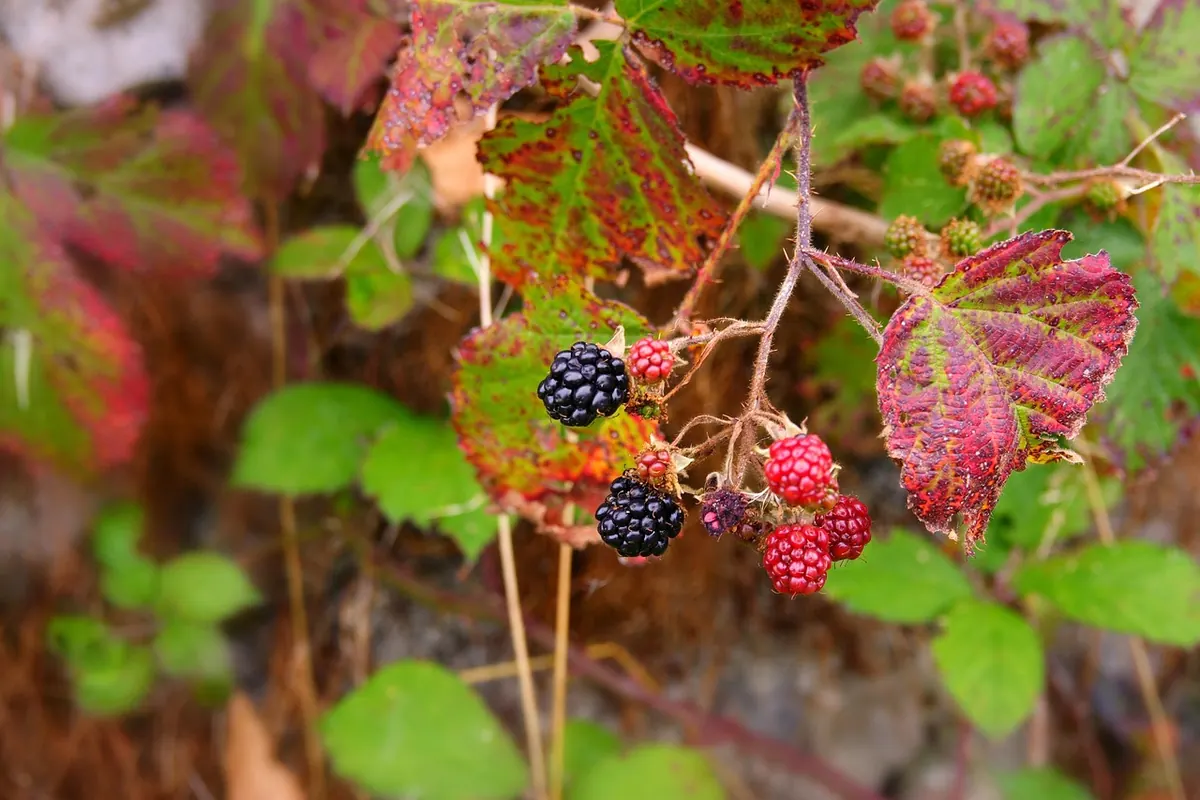
A seasonal guide to spotting sloes, haws and rosehips in British hedgerows, picking them without stripping the bush,...
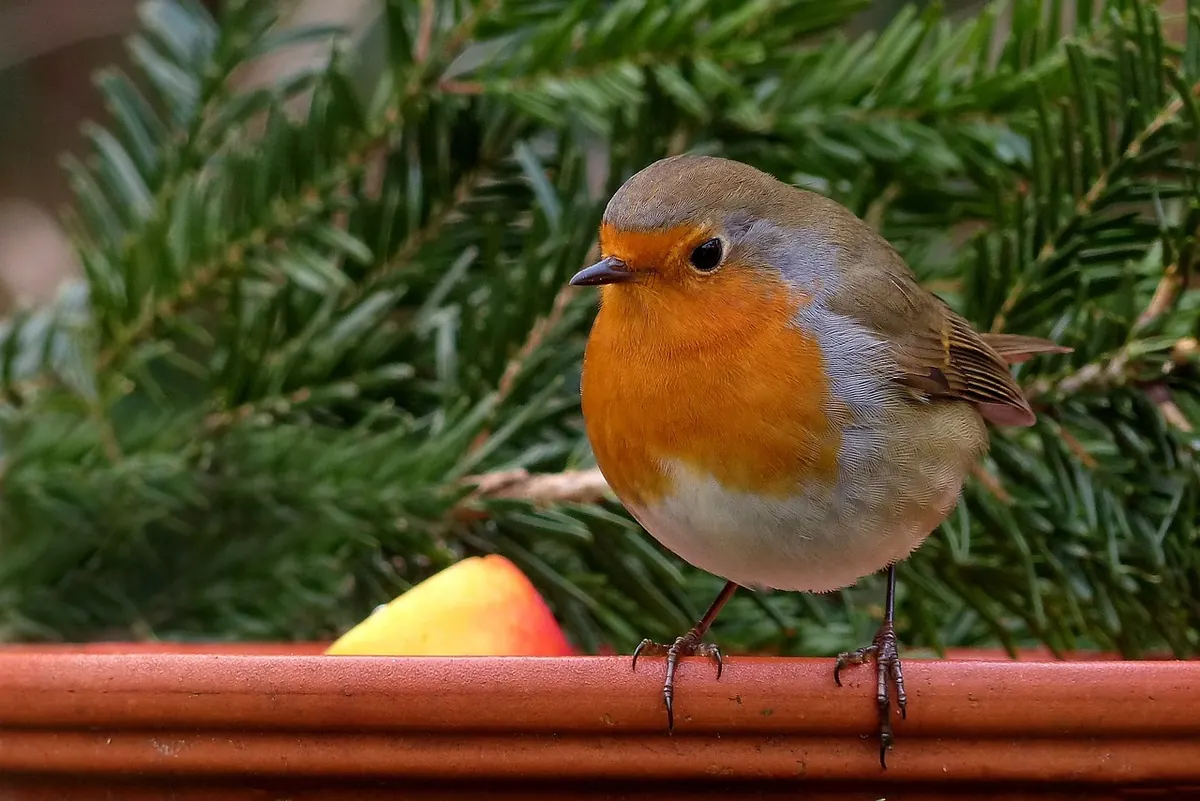
A beginner's tickable guide to the most common UK garden birds, pairing each one's markings with its call and the...
October 10, 2026 - Outdoors
October 09, 2026 - Outdoors
October 05, 2026 - Crafts
Copyright © 2026 Sprig Page. All Right Reserved.